What to Wear When Riding a Motorcycle in Hot Weather: The Complete Guide
When it comes to what to wear when riding a motorcycle in hot weather, let’s pause to consider that riding a motorcycle in hot weather can be both exhilarating and brutal.
The sun beats down on you and your gear, the engine radiates heat, and the airflow you rely on at higher speeds isn’t always enough to keep you cool.
Yet despite the discomfort, riding without proper protective gear is never the solution. The right hot-weather motorcycle gear can keep you cool and protect you from road rash, dehydration, sunburn, and fatigue.
In this comprehensive guide, Guide My Ride breaks down what to wear when riding a motorcycle in hot weather, how to choose gear that maximises airflow and protection, what fabrics actually help you stay cool, and bonus tips to prevent overheating on long summer rides.
Why You Must Wear Gear Even in Hot Weather
When temperatures soar, it’s tempting to ditch the jacket or gloves. But statistics show that even low-speed accidents can cause severe abrasions and injuries. Hot weather also brings other hazards:
Dehydration, which reduces concentration and reaction time
Sun fatigue, making long rides more tiring
Increased risk of burns from both sun exposure and hot engine components
Unexpected road hazards, like slick asphalt or loose gravel
Proper summer motorcycle gear isn’t about wearing more; it’s about wearing the right materials.
Modern gear is specifically engineered to allow airflow for cooling while providing abrasion resistance and impact protection.
1. The Best Motorcycle Jacket for Hot Weather
Choose a mesh motorcycle jacket:
If there’s one essential item for hot-weather riding, it’s a full mesh or hybrid-mesh motorcycle jacket.
Why mesh works for motorcycling in hot weather:
Mesh jackets are constructed from highly breathable synthetic fibres
They allow continuous airflow through the entire torso and arms
CE-rated armour at the elbows, shoulders and back maintains protection
Some offer removable liners for wind protection
Avoid textile windproof jackets, heavy leather, or casual clothing which trap heat and offer poor ventilation or protection.
Mesh vs Perforated Leather
Perforated leather jackets offer excellent abrasion resistance.
Mesh jackets provide superior airflow and are more comfortable at low speeds and urban commuting.
Features to look for in a motorcycle jacket
CE Level 1 or Level 2 armour
High-flow mesh panels (not minimal mesh strips)
Light-coloured or reflective materials
Adjustable cuffs and waist for airflow control
2. Hot Weather Motorcycle Gloves
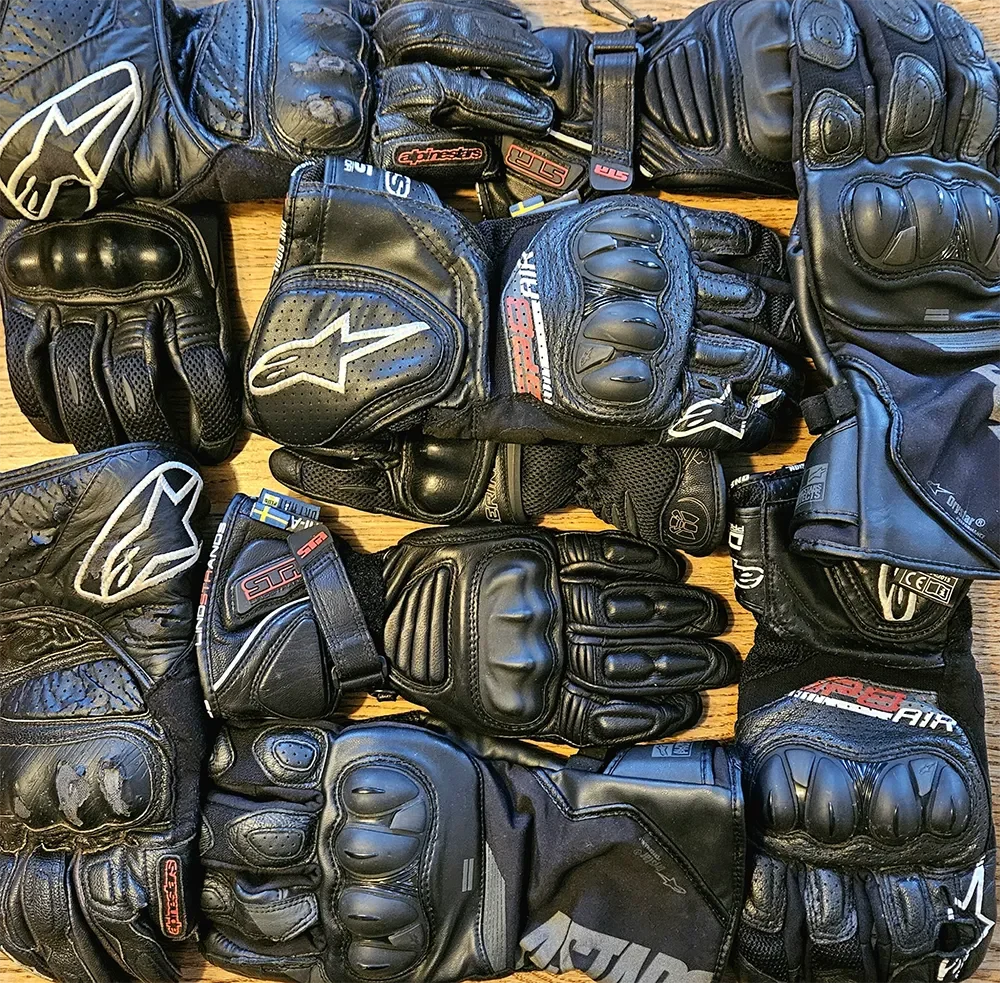
Your hands are one of the first body parts to hit the ground in a crash, so gloves are non-negotiable - even in summer.
Mesh or Perforated Leather Gloves
Look for:
Breathable mesh backs
Leather palms for abrasion protection
Ventilated finger channels for airflow
Hard knuckles or reinforced armour
Short-cuff vs Gauntlet Gloves
Short-cuff gloves are cooler and commonly used in hot weather
Gauntlet gloves offer better protection but may feel warmer
Tip: If you’re riding at highway speeds or touring, choose gloves with more protection. For city riding, a well-armoured mesh glove is ideal.
3. Motorcycle Pants for Hot Weather
Many riders neglect proper pants because jeans feel cooler - but standard denim offers almost ZERO abrasion resistance.
Best option: Mesh Motorcycle Pants
Mesh pants are designed to match mesh jackets, giving you:
Full-length ventilation
Armour at the hips and knees
Breathable lightweight construction
Alternative: Kevlar/Aramid Riding Jeans
If mesh isn’t your style, choose Kevlar or aramid-reinforced riding jeans with the following features:
Ventilation panels or large zip vents
Stretch denim blended with breathable fibres
CE armour in knees and hips
Top tip: Avoid shorts due to poor sun protection, no windburn protection, heat exposure and a complete lack of protection.
4. Hot Weather Motorcycle Boots
Feet get hot quickly, especially near engine components. Still, proper boots are crucial.
Choose: Vented or Perforated Motorcycle Boots
Features to look for:
Mesh vents or perforations
Breathable liners
Ankle protection
Non slip soles
Reinforced toe and heel zones
Top tip: Avoid trainers or casual shoes. They are not only dangerous but also offer less airflow and zero ankle support. A good pair of summer Motorcycle Boots will protect you from heat, debris and impact without suffocating your feet.
5. What Helmet to Wear in Hot Weather
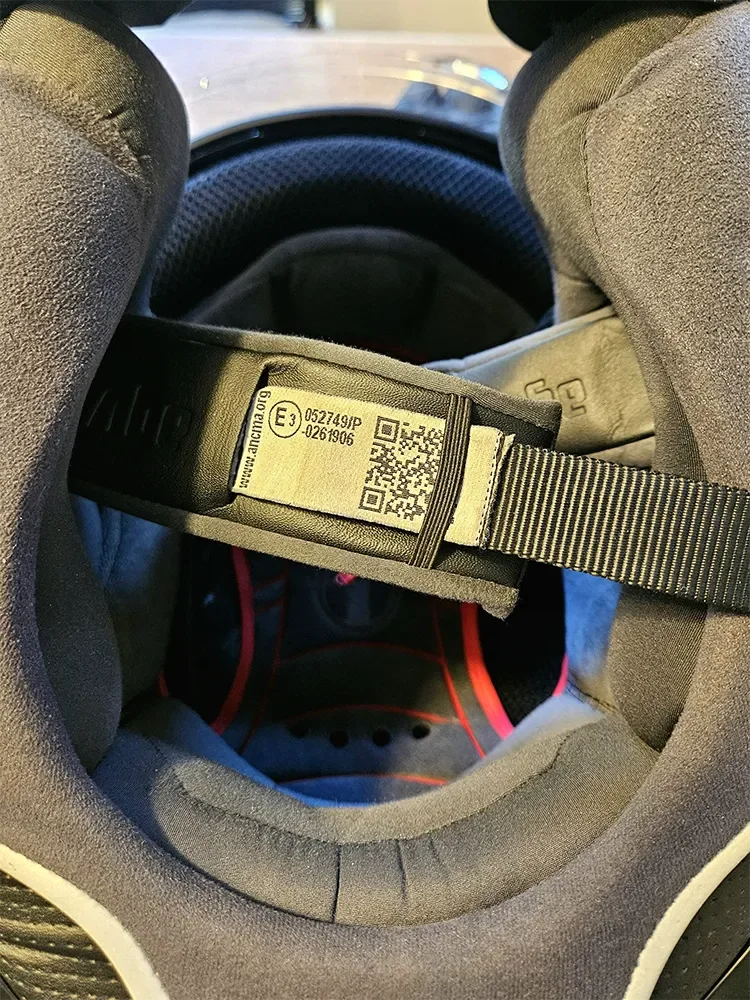
Your helmet is the most important part of your motorcycle gear, and in hot weather, it requires excellent ventilation.
Best Option: Full-face Helmet with Maximum Venting
Many premium helmets include:
Large intake vents at the chin and crown
Deep EPS channels for airflow
Rear exhaust vents
Moisture-wicking liners
Even in hot weather, a full-face helmet offers the best protection and actually keeps your head cooler by shielding you from direct sun exposure.
Other Motorcycle Helmet Options
Modular Helmets
These are popular for touring:
Offer more ventilation when open
Still offers full face protection when closed
Adventure/Dual-sport Helmets
Great for riders who want:
Wide visors
Excellent ventilation
Shade provided by the peak
Important Tip: Only choose an open-face helmet if you’re willing to compromise on safety.
6. Base Layers for Hot Weather Riding
Here’s a secret that many riders don’t know: moisture-wicking base layers are MORE effective than riding in a t-shirt.
Cotton traps sweat and once saturated, cotton clothing becomes heavy, slow-drying, hot in the day and cold when the temperature drops.
Choose moisture-wicking synthetics or merino blends, which are beneficial for the following reasons :
Draw sweat away from your skin
Reduce chafing
Evaporate moisture quickly
Improve body cooling
Top Benefits of Base Layers
Extend the life of your riding gear
Stay cooler at lower speeds
Reduce sticky skin against mesh armour
Provide mild UV protection
So base layers may seem like a minor part of your motorcycle clothing but they make a significant difference on a summer ride.
7. Importance of Colour Choice
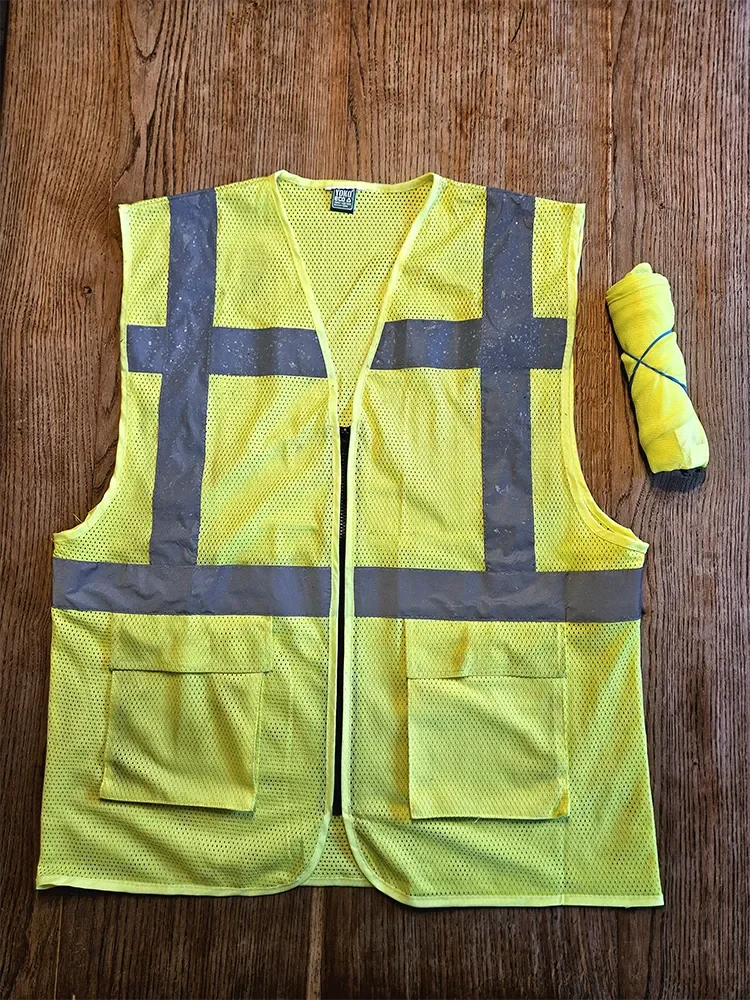
We all remember high school physics: light colours reflect heat, dark colours absorb it. This simple lesson is essential when deciding what to wear when riding a motorcycle in hot weather.
Choose:
Tan or Khaki pants/trousers
White or silver helmets
Light-coloured gloves
Avoid:
Black jackets
Black jeans
Matte-black helmets
Top fact: Lighter colours can reduce heat build-up in your gear by several degrees.
8. Hydration Gear: Essential for Hot Weather
Staying hydrated is just as important as wearing the right protective gear. Dehydration leads to loss of focus, poor reaction times and increased fatigue - dangerous for any rider.
Options for Staying Hydrated on Motorcycle Tours
Hydration packs (i.e., Camelbak, Kriega)
Cooling vests
Electrolyte drinks
Water bottles and frequent stops
9. Additional Hot Weather Riding Tips
Ride early morning or late afternoon - avoid the peak heat hours (12 pm-4 pm) where possible.
Take frequent breaks - every 60-90 minutes, rehydrate and cool down in a shady spot.
Use sunscreen - use a minimum factor 30 and apply to all areas exposed, such as the neck and wrists.
Avoid caffeine - caffeine can dehydrate you faster, especially on longer rides.
Plan your route - choose shaded or cooler routes, high altitude mountain roads, and coastal routes, which provide a more comfortable riding option in the peak of the summer.
10. What NOT to Wear when Motorcycling in Hot Weather
Many people mistakenly believe that wearing less gear means having fewer layers to trap heat. This misconception can be dangerous.
Never Wear the Following:
T-shirts - zero abrasion protection and poor moisture control
Shorts - risk of road rash and boiling exhaust pipes
Sandals or sneakers - leave feet and ankles extremely vulnerable
Open-face helmets - minimal protection from impact or debris
Heavy, non-ventilated leather jackets - great for cool conditions, but dangerous in extreme heat, potentially leading to heat exhaustion.
Recommended Hot Weather Riding Gear Checklist
Our checklist of what to wear when riding a motorcycle, for quick reference:
Mesh motorcycle jacket - CE-rated, high ventilations
Mesh or perforated gloves - Leather palms, knuckle protection
Ventilated pants or protective riding jeans - knee and hip armour
Full-face vented or modular helmet - Strong airflow channels
Breathable motorcycle boots - Ankle protection and toe reinforcements
Moisture-wicking base layers - Prevent sweat buildup and overheating
Hydration pack or water bottle - Sip regularly to avoid dehydration
Cooling vest (optional) - Good for long summer rides
Our Final Thoughts on Hot Weather Riding Gear
The right gear = your comfort + safety.
Hot-weather riding demands smart choices. You don’t need to sacrifice safety to stay cool, and modern summer motorcycle gear has evolved to offer both maximum airflow and maximum protection.
With proper mesh gear, breathable helmets, moisture-wicking base layers, and hydration planning, you can ride comfortably even in extreme heat.
Dress correctly for hot-weather riding, and you’ll stay safer, cooler, and more comfortable on every summer trip.